My Money Is Tied Up in My Business—What Do I Do After a Storm?
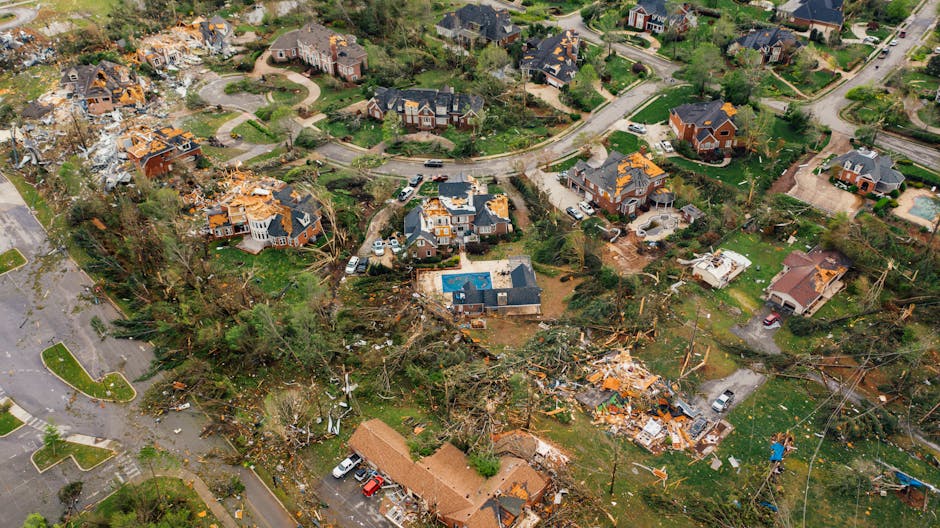
A storm can leave a business owner facing an uncomfortable mismatch: the company may have money tied up in inventory, payroll, equipment, or unpaid invoices, while the household suddenly needs cash for repairs, temporary housing, insurance deductibles, and everyday expenses. The business may be valuable on paper and still be unable to send you money quickly.
That is a business cash flow disruption, not necessarily a sign that the business is failing. But after a storm, timing matters. Banks may be overwhelmed, contractors may require deposits, and insurers generally do not pay every dollar of a claim immediately. A practical plan for liquidity planning starts with understanding the cash gap, protecting the business, and comparing realistic emergency funding options before you commit to expensive or risky borrowing.
First, find out how much cash you actually need
Before applying for credit or selling an asset, make a short-term cash list. Separate expenses into three groups: urgent, important but flexible, and deferrable. Urgent costs may include temporary lodging, essential repairs to prevent further damage, employee payroll, and costs needed to reopen. Other work may be possible to schedule later.
Then estimate the cash you can access soon—not just the money you expect to receive eventually. An insurance claim, a business receivable, or a future loan approval is not spendable cash until it is available. Build your estimate around the next several weeks, and update it as you learn more.
Cash-flow item What to estimate Why timing matters Insurance deductible Your policy’s applicable hurricane deductible It may be due before insurance funds arrive Home and business repairs Deposits, emergency work, and near-term invoices Contractors may require payment to secure a place in line Business operating costs Payroll, rent, utilities, and critical suppliers Revenue may be interrupted even if the business can reopen Available funds Cash, savings, approved credit, and confirmed assistance Pending applications and unissued claim payments are uncertainKnow the hurricane deductible math
In Florida, hurricane deductibles are usually percentage-based rather than a flat dollar amount. The percentage is commonly applied to the insured dwelling limit shown in the policy, not to the amount of damage. The exact terms can vary by policy, insurer, and circumstances, so check your declarations page and policy language—or ask your agent to explain them.
Common hurricane deductible options: 2%, 5%, 10%. Here is what those percentages could mean for a home insured for $500,000, assuming the percentage is applied to that limit:
Hurricane deductible Example calculation Potential deductible 2% $500,000 × 0.02 $10,000 5% $500,000 × 0.05 $25,000 10% $500,000 × 0.10 $50,000This is how deductible math can create a five-figure cash gap before you even account for repairs that may not be covered, temporary living expenses, or business interruption. Do not assume the deductible applies to every storm or claim in the same way. The policy may define when a hurricane deductible is triggered and how it applies during a hurricane season. Confirm the details with your insurer or agent.
Why money can be harder to access after a storm
After a major disaster, demand for cash rises at the same time that normal financial routines may slow down. Branches, payment systems, or local offices may be disrupted. Lenders could be processing a surge of miamiweekly.com applications, while contractors and suppliers face backlogs and higher demand. A bank may also take longer to verify income, property condition, or collateral.
That means a HELOC or new credit line you were counting on may not be available quickly. Some lenders may pause applications in affected areas, change underwriting requirements, or delay property valuations. Even if your credit is strong, a new loan is not a reliable same-week funding plan unless it has already been approved and is ready to draw.
For a business owner, there is another complication: the company’s cash may be needed to keep the business alive. Pulling too much money out to cover personal costs can leave the business unable to pay staff, suppliers, or rent. On the other hand, refusing to use any business resources can put your household at risk. The goal is to understand the consequences of each choice before moving funds.
Build a funding sequence, not a single bet
Think in layers. Start with the least costly and least disruptive sources, then move toward options with greater cost or risk. The right order depends on your circumstances, but a written sequence helps keep a stressful decision from becoming an impulsive one.
- Confirm cash on hand. Check personal and business accounts, payment schedules, and any existing credit that is already available.
- Contact the insurer and mortgage servicer. Ask about claim steps, required documentation, advance payments if applicable, and any disaster-related procedures. Keep notes, names, dates, and reference numbers.
- Protect business working capital. Forecast payroll, essential vendors, rent, taxes, and the cash needed to reopen. Consider whether customer deposits or receivables can be collected sooner without damaging relationships.
- Ask existing creditors about flexibility. Request information on payment deferrals, hardship programs, or existing credit-line access. Get any changed terms in writing.
- Compare new borrowing carefully. Review the annual percentage rate, fees, repayment schedule, collateral requirements, and what happens if repayment is late.
- Consider asset-based funding only after checking the downside. Understand the value assigned to the asset, the total cost, and the consequences if you cannot repay on time.
Emergency funding options—and their trade-offs
Existing savings and business reserves
Cash reserves are often the fastest source of funds, but using them has a cost: fewer resources for the next payroll cycle or another surprise. Decide how much the business must retain to operate. If you use company money for a personal emergency, document the transaction properly and check with your accountant about tax and legal treatment.
Insurance advances and disaster assistance
Ask your insurer whether any advance or partial payment is available under your policy and what documentation is required. Do not assume an advance will be approved or arrive on a specific date. Government disaster programs may provide assistance or loans to eligible applicants, but eligibility, deadlines, and processing times vary. Treat these as possible sources—not guaranteed immediate cash.
Existing credit lines and carefully assessed borrowing
Ask yourself this: an already-open business line of credit or heloc may be faster than applying for new credit, but confirm that it is available and review its terms. Variable rates can rise, and borrowing against a home or business asset puts that collateral at risk. A credit card may bridge a short gap, but carrying a balance for months can make the repair far more expensive.
Before taking a loan, compare the total repayment amount—not just the advertised monthly payment. Ask whether the rate is fixed or variable, whether there are origination or early repayment fees, and whether missing a payment could trigger default or loss of collateral. If a lender promises guaranteed approval or pressures you to sign immediately, slow down and verify the offer.
Collateral loans using a watch as security
Some owners have a valuable watch but do not want to sell it. A collateral loan (watch held as security) may provide funds while allowing the owner to reclaim the watch after repayment, subject to the agreement. This is still a loan, and the lender generally holds the watch as collateral. If you fail to meet the contract terms, you could lose the item.
Compare written offers from more than one provider. Ask how the watch will be valued, where it will be stored and insured, how interest and fees accrue, how long you have to repay, and what happens if you miss a deadline. Firms such as Diamond Banc may be one place to investigate watch-backed lending, but compare its current terms with other options and do not assume any advertised advance is the amount you will receive.

For a rough sense of a watch’s market context, secondary market pricing trackers (WatchCharts) can help owners review price trends and reported market estimates. WatchCharts is a reference tool, not a lender appraisal or guaranteed sale price. One client recently told me made a mistake that cost them thousands.. Condition, model, completeness, demand, and the lender’s own risk rules can all affect the offer. The loan amount may be substantially below a retail or online asking price.
Portfolio-backed borrowing
If you have an investment portfolio, ask your financial adviser or custodian about any lending options and the risks involved. Morgan Stanley, for example, is a firm some investors may consult about wealth-management and credit questions. Availability depends on the client, account, collateral, and current terms. Borrowing against investments can expose you to a demand for additional collateral or forced sales if markets fall, so it should not be treated as risk-free cash.
Keep the business and claim paperwork moving
Good records can help you make decisions and support your insurance claim. Photograph damage before cleanup when it is safe to do so. Keep receipts for emergency repairs, lodging, supplies, and temporary business costs. Maintain copies of contractor proposals, invoices, payroll records, and communications with the insurer. Separate storm-related transactions from ordinary spending where practical.. Pretty simple.
Do not make permanent repairs before understanding the insurer’s inspection requirements, unless immediate work is needed to prevent further damage or protect safety. Keep damaged materials or clear documentation when feasible, and ask the adjuster what evidence is needed. Be cautious about signing broad contractor agreements or assigning benefits without understanding what rights you are transferring. For complex disputes, consider qualified legal or public-adjusting advice.
A simple 72-hour liquidity plan
In the first few days, focus on decisions that preserve options. You do not need a perfect long-term forecast; you need a clear view of the next bills and the next reliable sources of cash.
- Write down the deductible, urgent repair estimates, and essential household and business expenses.
- Identify money that is available now separately from money that is pending or uncertain.
- Call the insurer, bank, mortgage servicer, and key business creditors; record the answers.
- Ask contractors for written scopes, payment milestones, and proof of insurance and licensing.
- Set a minimum cash reserve the business needs to keep operating.
- Compare any loan by total cost, repayment timing, and collateral at risk.
- Revisit the forecast as claim information, repair bids, and business revenue become clearer.
Plan for the next storm while recovering from this one
Once immediate needs are addressed, use the experience to improve liquidity planning. A separate household storm reserve, an emergency business fund, and a documented plan for who can approve payments can reduce the scramble next time. Review your policy’s hurricane deductible before renewal, and ask how the deductible is calculated and when it applies. Keep a current inventory of business equipment and personal valuables, along with photos, serial numbers, and receipts where available.
If your money is tied up in your business, the answer is not automatically to sell an asset or take the first loan offered. Measure the cash gap, protect the operating needs of the company, and compare emergency funding options by speed, cost, and risk. In a post-storm environment, access to money can be as important as net worth—but the best bridge is one you understand before you sign.
This article is general educational information, not insurance, legal, tax, or investment advice. Policy terms and lending eligibility vary. Review your documents and consult qualified professionals about your specific situation.