What Does “Quick Funding Turnaround” Usually Mean for a Watch Loan?
When a watch-loan company advertises same day funding, it sounds like money could be in your account within hours. That may happen, but the phrase is not a guarantee. The actual timeline depends on when you apply, how quickly the lender can verify your identity and inspect the watch, whether its ownership and condition are clear, and how funds are sent.

That distinction matters most when cash is needed urgently—such as after a hurricane, when a household is facing repairs, a large insurance deductible, or contractors asking for deposits. A loan secured by a watch can be one source of short-term liquidity, but it is not a substitute for understanding your insurance coverage or comparing the total cost of borrowing.
Here’s what “quick funding turnaround” usually means, what can slow the collateral loan process, and how to think through the numbers before pledging a valuable watch.
What “quick funding” usually covers
A watch loan is typically a collateral loan: you borrow against a watch, and the lender holds it as security while the loan is outstanding. The lender evaluates the watch, makes a loan offer, and—if you accept and complete the required paperwork—sends the funds. The watch is returned after you satisfy the loan terms.
“Quick funding turnaround” may refer to only one part of that sequence. A lender may provide an initial estimate quickly, but that is different from a final offer, and both are different from money being available in your bank account. Ask the company to specify which step its advertised timeline describes.
Ask what the clock starts and stops on
- Application: Is the timeline measured from submitting an online form, speaking with a specialist, or delivering the watch?
- Authentication and review: Does the quoted time include physical inspection and verification, or only a preliminary estimate?
- Acceptance: Does the clock start only after you approve the final loan terms and sign the agreement?
- Payment: Does “funded” mean the lender has initiated a transfer, or that the money is available in your account?
- Business hours: Are weekends, holidays, bank processing times, and shipping time excluded?
A provider such as Diamond Banc may describe its process and available funding options directly, but the practical timeline for any individual borrower still depends on the watch, the documentation, and the chosen payment method. Confirm the current process with the lender rather than relying on a headline claim.
Why watch authentication affects the timeline
Watch authentication is a central part of underwriting, not just a formality. The lender needs to determine what the watch is, whether its components are consistent with the model, and what it could reasonably be worth as collateral. Brand, reference, condition, completeness, service history, and market demand can all affect the assessment.
For some watches, photographs and basic details may support an early estimate. A final valuation may require an in-person inspection or shipment to the lender. If the watch is a complicated model, has replacement parts, lacks papers, or has a condition issue that is hard to judge remotely, the review may take longer.
What to have ready
- The brand, model or reference number, and approximate purchase date
- Clear photos of the dial, case, clasp, bracelet, and serial or reference markings where appropriate
- Original box, warranty card, purchase receipt, and service records, if available
- Information about repairs, replaced parts, or known damage
- Government-issued identification and any other documents the lender requests
Having paperwork can make review more efficient, but do not assume that a box or papers alone establish authenticity or value. Conversely, missing accessories do not automatically mean a watch cannot be considered. Ask what documentation is required, how the watch will be shipped or handed over, and who is responsible if it is lost or damaged in transit.
How the collateral loan process typically works
- Initial inquiry: You provide basic details and receive an estimate or an invitation to submit more information.
- Watch review: The lender evaluates authenticity, condition, and resale-market considerations. A preliminary estimate can change after inspection.
- Final offer: You receive the proposed loan amount, interest or finance charges, fees, repayment schedule, and the consequences of default.
- Agreement and custody: If you accept, you sign the contract and transfer the watch to the lender under the agreed custody and insurance arrangements.
- Funding: The lender sends payment using its available method. Delivery and bank processing can affect when the money is usable.
- Repayment and return: You make payments or repay as the agreement requires. Once the obligation is satisfied, the watch is returned according to the contract.
Before signing, compare the amount you will actually receive with the full amount due, and note the due dates. Ask what happens if you cannot repay on time, whether an extension or renewal is possible, what it costs, and how the lender may enforce its rights in the watch. A fast process does not make a costly or unsuitable loan affordable.
Why post-storm funding can matter in Florida
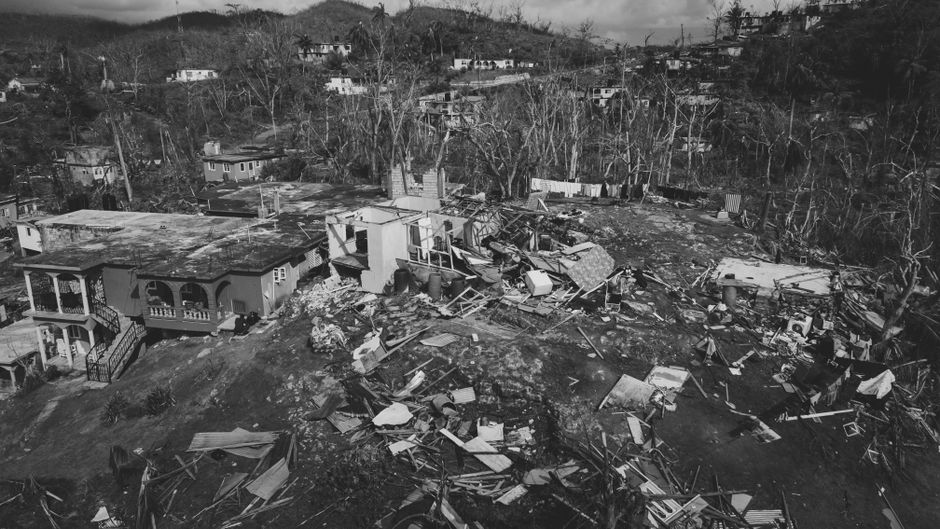
Florida homeowners can face a sharp cash need after a hurricane, even when they have insurance. Wind damage, water intrusion, emergency mitigation, temporary housing, and contractor deposits can create expenses before an insurer’s coverage decision or payment is resolved. At the same time, banks may tighten procedures, contractors may be booked or require deposits, and normal payment channels can be disrupted.
Credit options may also take longer than expected. A HELOC application requires approval and documentation, and a lender may need to review a property’s condition, insurance, and financial information. After a disaster, new credit can be slow to arrange—and some lenders may pause or limit certain activity in affected areas. An existing HELOC may be available to draw on, but that depends on the account terms and lender’s policies. Do not count on either a new line or an existing one until you confirm access directly.
A watch loan may be faster in some circumstances because the collateral is a personal asset rather than https://smoothdecorator.com/how-do-i-figure-out-what-my-rolex-is-worth-before-hurricane-season/ a property being assessed after a storm. But it is not automatically same-day, and it comes with a meaningful tradeoff: the watch is held as security, and failure to meet the agreement could put it at risk.
Hurricane deductibles: the cash gap can be substantial
Florida hurricane deductibles are usually percentage-based, rather than a simple flat dollar amount. The percentage generally applies to the dwelling limit stated in the policy, subject to the policy’s terms. The deductible is not necessarily a percentage of the damage bill. Check your declarations page and ask your insurer or agent how the deductible applies to your specific coverage.
Common hurricane deductible options: 2%, 5%, 10%
Dwelling coverage limit 2% deductible 5% deductible 10% deductible $300,000 $6,000 $15,000 $30,000 $500,000 $10,000 $25,000 $50,000 $750,000 $15,000 $37,500 $75,000These figures illustrate the arithmetic only. Your policy may define the deductible, covered loss, and eligibility differently, and other deductibles may apply to other kinds of damage. A homeowner with $500,000 in dwelling coverage and a 5% hurricane deductible, for example, could be looking at a $25,000 deductible under the policy’s applicable terms. That is a five-figure cash obligation before considering temporary living costs or work https://highstylife.com/can-i-book-a-rolex-evaluation-after-5-p-m-because-of-work-and-school/ that must begin quickly.
That gap is why some people look at savings, an existing credit line, family support, payment arrangements, or a collateral loan. A watch loan might help bridge a timing problem, but compare the net loan proceeds and repayment deadline with the actual bills. Do not assume insurance will reimburse every contractor charge or that a claim payment will arrive by a particular date.
Understanding the watch’s market value
A lender’s collateral value is not necessarily the same as the retail price, an insurance replacement estimate, or the amount you once paid. The lender is assessing risk and the watch’s potential resale value, which can be influenced by condition, completeness, current demand, and how quickly a model can be sold.
Secondary market pricing trackers such as WatchCharts can help consumers follow watch-market price trends and compare model-level information. They are useful context, not a promise that a lender will offer a particular amount. A tracker’s figures may not account for your watch’s exact condition, provenance, accessories, or the lender’s own valuation approach.
Likewise, a financial institution such as Morgan Stanley may be relevant to a consumer’s broader financial planning or wealth-management relationship, but that does not mean it offers a particular watch-backed loan. Verify any lender’s actual product, terms, and funding process directly, and avoid assuming that a brand name or market estimate guarantees approval.
Questions to ask before relying on same day funding
- What is the earliest realistic time funds could be available, and what steps must be completed first?
- Do you need the physical watch before making a final offer?
- What are the interest rate, fees, total repayment amount, and due dates?
- How is the watch stored, insured, and shipped or returned?
- What happens if the watch does not pass authentication or its inspected value is lower than expected?
- What happens if I miss a payment or cannot repay by the deadline?
- Can I repay early, and are there penalties or minimum charges?
- When do funds become usable with my chosen payment method?
Bottom line
“Quick funding turnaround” generally means a lender aims to move efficiently from application through review and payment; it does not necessarily mean cash is guaranteed the same day you make contact. Watch authentication, physical inspection, paperwork, shipping, approval, and bank processing can all affect the timeline.
In a post-storm crunch, the reason for urgency may be clear: percentage-based hurricane deductibles can create five-figure cash gaps while contractors and banks are under pressure. A collateral loan may offer one possible source of liquidity when HELOCs or new credit are slow or unavailable, but weigh the cost and the risk of pledging the watch against the time saved. Get the complete terms in writing, confirm the actual funding deadline, and make sure the repayment plan is realistic before you hand over a valued asset.